Slightly pear-shaped: Measuring, Surveying and Mapping the World, part 2
That the Earth is round had been known for centuries; that it might also be (very) slightly oval was long-suspected, although we disagreed with the French as to which way the oval went.
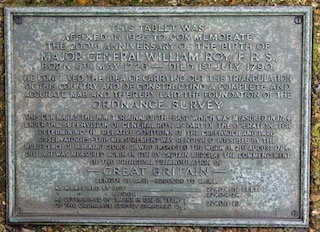
In this sequel to Jeremy’s talk last year, we look in more detail at the early British and French-led projects to create accurate maps and charts. In Britain, William Roy’s 1747 Survey of the Scottish Highlands would lead to the commencement, in 1791, of our nationwide Ordnance Survey. Meanwhile, the French had been busy with an even more ambitious project (begun in 1683) to measure their own prime meridian, not just through Paris and across France but around a quarter of the globe.
If points had been awarded for effort, their meridian would have prevailed over ours, but the unit they redefined in the process (originally the length of a seconds pendulum, but now intended to be one ten-millionth of the length they were measuring) is now — for better or worse — used around most of the world.
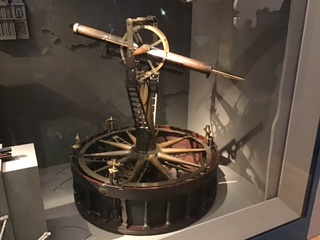
The Greenwich and Paris meridians were linked across the Channel in 1787 using rival surveying instruments, both accurate to one arc-second (one sixtieth of one sixtieth of a degree). Each side swore their design was better (you can still see one of ours, made by Jesse Ramsden, in the Science Museum) but both gave positioning errors of only 7 inches (oh, alright, 18 centimetres).
Plus: why NATO compasses are divided into 6,400 degrees and why, if you capture a Russian field gun, you really need to watch which way you point it.
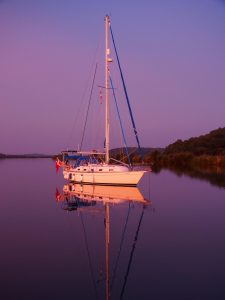
Since 2017, Paul Bragg and his wife Elaine have been steadily exploring the west coast of France and northern Spain — and 2026 marks their ninth season cruising this remarkable region. In a very engaging and personal talk, Paul and Elaine explained why this coastline is so easy to fall in love with and so hard to leave. Drawing on years of first-hand experience, they shared what keeps pulling them back season after season and why this coastline is so easy to fall in love with and so hard to leave.
Is it the reliable sailing weather? The long sandy beaches and beautiful islands? The welcoming harbours, relaxed pace of life, and unforgettable food and wine?
What Paul Bragg described about the west coast of France, especially around the Gulf of Morbihan, is exactly why so many sailors end up staying longer than planned. That whole stretch of Brittany has this rare mix: sheltered waters, strong tidal character to keep things interesting, and towns that feel genuinely alive rather than staged for visitors.
The Morbihan in particular is a bit of a gem. It’s not just scenic, it’s engaging sailing. The currents between the islands can run fast, so timing matters, but that’s part of the appeal. You get calm anchorages tucked behind wooded islets, then lively ports a short hop away with markets, music, and festivals. It’s easy to see why Paul and Elaine Bragg, aboard their Island Packet Jennie B, have made this their cruising area for eight years.
The rivers he mentioned are another layer entirely, places like the Vilaine let you trade saltwater for glassy inland cruising, tying up right beside small towns where life moves at a completely different pace.
That said, it’s not effortless cruising, you’re trading familiarity for tide planning, pilotage, and a bit of language navigation. But for many, that’s exactly the point. If you were tempted by the talk, the real question is: would you be looking at a short charter to try it out, or something more ambitious like taking your own boat across? Thank you Paul and Elaine for inspiring us all.
# BOSG Air Experience Gliding Friday 03 July 2026 18.00 hrs
Flying at The Cambridge Gliding Club.
An Air Experience Gliding evening. The Cambridge Gliding Club, Gransden Lodge Airfield, Longstowe Rd, Little Gransden, Sandy SG19 3EB on the B1046 Longstowe to Little Gransden Road SG19 3EB. An opportunity to fly quietly in the air, you will be with a qualified instructor. You can have a go at flying if you wish or you can just sit back and enjoy the flight and the view. First flight will cost £42.00, subsequent flights £23.50. This is an experience. Numbers are limited to ensure as far as possible all attendees get a flight. Bookings are on a first come first served basis. To book: contact Bob Leonard on 01767 260293.
# Dingy Sailing & BBQ
Paxton Lakes Wednesday 15 July 2026 18:00 hrs
Paxton Lakes Sailing Club, Little Paxton, PE19 6EY
This promises to be the usual happy and most enjoyable BOSG evening. Boats can be sailed, you will probably be able to watch swimmers in the lake, and cook on the BBQ provided, — all in good company. Just come along, relax and enjoy, BOSG, SOCA, NOSCA Members, Partners, their Children & Partners and Grandchildren are all very welcome – there is no requirement to sail if you don’t want to.
Sailing boats ready to go and a fired up BBQ will be provided Free – just bring your BBQ food and drink. A message to Bob helps to plan numbers.
Enjoy gliding quietly along the Grand Union canal on the all-electric narrowboat, Electra? We are proposing a 2.5 hour private Cruise aboard Electra a narrowboat based on the Grand Union Canal. Details shortly.
As well as the in person meeting was at the RNA club WGC in addition it was also streamed as a ZOOM meeting for those members As well who couldn’t attend in person. This gave the retiring Commodore, Terry the chance to look back at the past year and for the new Commodore to discuss plans for the next season.
Commodore’s Report
Talks and Presentations
April :- A talk that told the story of a group of SOCA members who enjoyed a Greek Flotilla to the South Ionian Islands in October 2024.
May:- Sailing Around St Lucia and St. Vincent. A talk by Terry Branston. He discussed sailing all around both islands, the customs clearance that was involved in sailing from one island to another and the local culture.
June:- Paul Gillions gave a very interesting and informative talk covering the RNLI‘s history and organisation but he focused primarily on the day-to-day operations of the lifeboat and lifeguard service illustrated with filmed footage of actual rescues and the stories that go with them.
September:- Sailing Life in North Norfolk. A Talk by Paul Comley. This looked at North Norfolk Sailing, centred around the area of Wells next the Sea and its neighbouring havens. Covering accessing the ports, Paul’s experiences, their attraction,together with some of the local history that makes them what they are today.
October:- Jeremy Batch presented “Slightly pear-shaped”: the story of Mapping and Surveying“ another of his very interesting talks on the topic of navigation.
November:- Navigating the Crinan Canal. A talk by Andrew Davidson. Andrew presented details of his trip through the Crinan Canal in Scotland. This was a very well attended meting both at the RNA and with several members joining in via Zoom.
January:- Sailing the Norfolk Broads, Narrow Boating and more. A talk by Dave Arnold. The first talk of the year was given by Dave Arnold, who described how he is staying afloat after the disposal of his East Coast boat Joint Affair.
Trophies
Astrolabe :- for members presentation to the Club
Awarded to Andrew Davidson for his presentation “Navigating the Crinan Canal. This was the best attended presentation during the year.
Joseph Evanson Trophy :- best log / navigation
Awarded to Paul Comley for his trip along the North Norfolk/East Coast where he described sailing around around the area of Wells next the Sea and its neighbouring havens.
Kelphil Bell :- for outstanding contribution to the club
This was awarded to Tanya Warren, who we all depend on for the smooth running of the club
The outgoing Commodore (2025/2026) confirmed his choice for the Commodore’s Charity for his year were the National Coastwatch Institution and the RNLI
Belaying Pin :- For notable contribution at a sailing event
This is an On the Water trophy awarded to a boat rather than a member. This was awarded to Honfleur, (Alex Nicholas), for the hard work put in in getting her back on th. water.
Commodore’s Cup :- Awarded at the discretion of the Commodore
Awarded to Geff Briant for his work on the SOCA website informative and up to date and for organising the fitting out and laying up lunches.
2026 AGM Proceedings
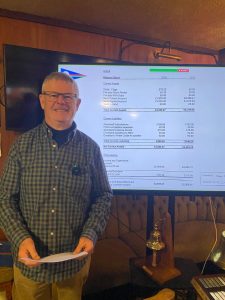
The Commodore then ran the 2026AGM, going through Apologies, 2025 Minutes, Treasurer’s Report, finalising with the election of new officers. His last action as SOCA Commodore was to thank all his fellow officers and committee members for their work during the year and for the presenters and organisers of events that made his year as Commodore.
The Commodore then stood down and handed over proceedings to Geff (President) who conducted the appointment of the new Commodore.
The new Flag Officers for 2025/2026 were then endorsed by the membership at the AGM.
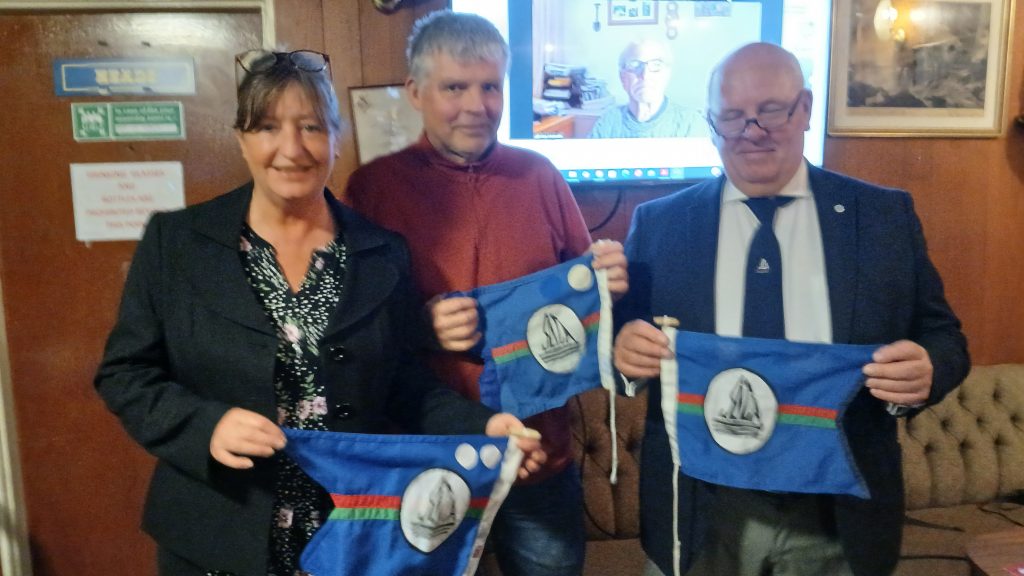
Stewart Warren elected as Commodore Paul Comley as Vice Commodore Tanya Warren as Rear Commodore
L-R Rear Commodore Tanya Warren, Vice Commodore Paul Comley, Commodore Stewart Warren
The new Commodore then addressed the meeting and informed the meeting of his chosen charity Ocean Youth Trust South
The meeting concluded with a reminder of upcoming events. “Future Events”
Wednesday 25 March BOSG Fitting Out Breakfast & AGM, scheduled at 9:30am, D’Parys 45 De Parys Ave Bedford MK40 2UA GB
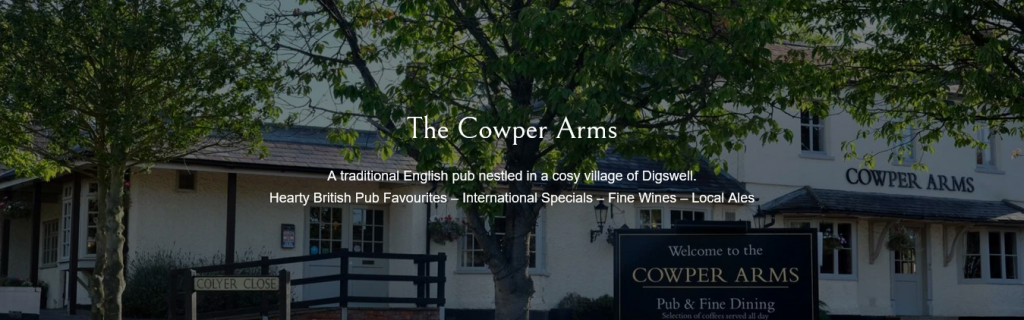
Saturday 28th March Fitting Out Lunch at Cowper Arms. The 2026 Fitting Out Lunch, Cowper Arms next to Welwyn North Railway Station.
Thursday 10th April. Eight Years Sailing the West Coast of France Since 2017, Paul Bragg and his wife Elaine have been steadily exploring the west coast of France and northern Spain — and this year marks their ninth season cruising this remarkable region.
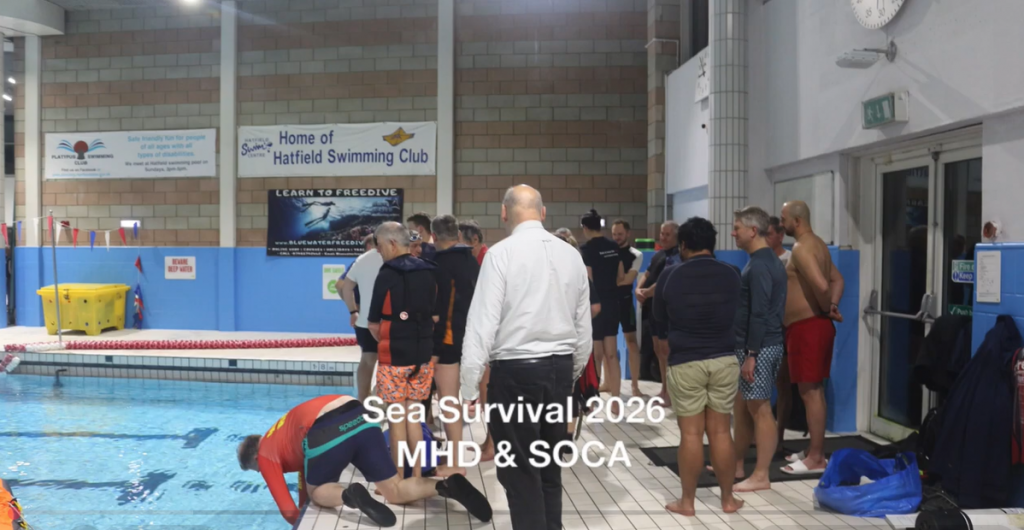
In conjunction with Mid Herts Divers, SOCA arranged a Sea Survival Liferaft session at Hatfield Swim Centre This was an informal training event based on RNLI, BSAC and RYA safety advice ensuring members learn to use equipment before they are in any emergency situation.
More than 20 people attended, from SOCA, BOSG and 2 local diving clubs. All that attended agreed it was a worthwhile event.
SEA SURVIVAL THEORY SESSION We are not qualified sea survival instructors. We have attended a full day RYA sea survival course at an environmental tank. Other courses are available and there is a multitude of information online. www.rya.org.uk/course-finder/basic-sea-survival-certificate www.bsac.com/training/skill-development-courses/safety-and-rescue-courses/rnli-diver-sea-survival-workshop/#tab-1 RNLI Safety information Float to live: 1 Tilt your head back submerging your ears 2 Relax and control your breathing 3 Move your hands and legs to help you stay afloat 4 Your legs may sink – that’s OK everyone floats differently 5 Practise floating at a supervised location like a swimming pool https://rnli.org/safety/float Cold water shock: If you enter the water unexpectedly: Take a minute. The initial effects of cold water pass in less than a minute so don’t try to swim straight away. Relax and Float to Live. Keep calm then call for help or swim for safety if you’re able. rnli.org/safety/know-the-risks/cold-water-shock Yachting & Motorboating: Safety checklist: Always wear an appropriate lifejacket. Always carry a means of calling and signalling for help. Ensure there is an emergency action plan in place and everybody has an onboard briefing (in particular on the location and use of the safety equipment, including the spare kill cord for powerboats). Get the right level of training for your craft. Always check the weather and tide times. Make sure someone ashore knows where you are going and who to call if you don’t return on time. Always drive your boat at a speed that is appropriate to the weather conditions and to the environment you are operating in. https://rnli.org/safety/choose-your-activity/yacht-sailing-and-motorboating Scuba Diving: 6 safety checks for scuba diving: 1 Be fit to dive: Be fit to dive – cold water will put extra strain on your body. Always consider your cardiac health before diving and get any concerns checked out. 2 Check your diving equipment: At the start of the season make sure all your diving gear is in service and ready for another year’s diving. 3 Plan your dives: Check the weather and tides. Tide tables and sea conditions for the UK and Ireland at metoffice.gov.uk. 4 Always complete a buddy check: No matter how experienced you are, or however many times you have dived with your buddy, don’t skip the buddy check. It could save your life, and theirs. 5 Be spotted: All divers should carry a surface marker buoy (SMB) or delayed surface marker buoy (DSMB) on every dive to aid their visibility to all surface craft. 6 Carry a means of calling for help: If something goes wrong, how will you call for help? Consider carrying a personal locator beacon (PLB) or similar device in a waterproof canister. https://rnli.org/safety/choose-your-activity/scuba-diving. SAFETY EQUIPMENT: Lifejackets Crouch straps, Spray hood, whistle, light A well fitted and suitable lifejacket can rotate you and keep your airway clear of the water. Preventing Downing/Secondary drowning. Help position in water (Heat Escape Lessoning Posture) More safety equipment First Aid MOB kit Communication Grab bag Flares Liferaft Fire extinguishers PLB/Epirb WHAT TO DO IN AN EMERGENCY: Are you in distress? Serious and imminent danger to life Collision causing foundering, life threatening injury, fire, or MOB This is a mayday call Radio usage, mayday call, Lifeboat and helicopter rescue MHD Shout Man overboard Keep pointing at the casualty Throw MOB equipment Press MOB button on GPS Manoeuvre vessel Early Mayday call Retrieval equipment/Methods of retrieval Abandon Ship Mayday Lifejackets, flares Seasickness pills and water Warm clothes Grab bag Liferaft is the last resort but prepare it early Try not to get wet, step into life raft Entering the water Wear lifejacket Hold jacket and cover airway if possible enter slowly Grab bag Waterproof floating container VHF & GPS Water & Energy bars Torch Multitool First aid Kit medication (Phone, Credit card, car keys, passport) Lists on the internet Life raft what’s inside? Typical leisure raft Knife, Bailer, Sponges – collect condensation for drinking, Sea anchor, paddles, repair kit, throwing line Life raft righting Stand on cylinder Take care with moving & handling SEA SURVIVAL POOL SESSION We all like to think we’re competent on the water. We’ve got the kit. We’ve got the training. We’ve watched the YouTube from the sofa. But no one plans to use a life raft. It’s the most expensive bit of equipment you hope never to use. Sailors trust their boats. Divers trust their buddies. But when things go wrong, they go wrong fast — and cold water doesn’t care how many qualifications you’ve got. Tonight It’s about answering one simple question: If you had 60 seconds before abandoning your vessel… would you actually know what to do? Would you inflate at the right moment? Could you turn a raft over alone? Could you get in safely? Would your lifejacket fit properly? Survival at sea isn’t about strength — it’s about preparation and staying calm when your brain is trying to panic. Tonight we’re going to: Inflate a few rafts Get wet Turn them over Climb in And maybe prove that it’s harder than we all imagine.
More than 20 people attended, from SOCA, BOSG and 2 local diving clubs. All that attended agreed it was a worthwhile event.
Life Raft & Survival Quiz 1 Should you inflate a life raft inside the cabin? A) Yes, safer out of the wind B) Only in calm conditions C) No Answer: C (Unless you want a very expensive orange interior redesign.) 2 If your boat is still floating but disabled, should you: A) Immediately abandon ship B) Stay with the vessel if safe C) Swim for shore Answer: B. A boat is bigger, easier to spot, and usually safer than a raft. 3 In UK waters (10–15°C), how long before cold water seriously affects you? A) 10–15 minutes B) 1 hour C) 3 hours Answer: A. Cold shock and swim failure happen frighteningly fast. 4 Can one reasonably fit adult right an inverted life raft alone? A) Yes B) No Answer: Yes — but technique matters. (demonstrate later.) 5 Should you inflate your lifejacket before entering the water from a sinking vessel? A) Yes B) No Answer: No It makes movement and escape much harder.
Life Raft practical 4 Groups DEMO lifejacket auto inflate for unconscious Help position DEMO Secure the painter Inflate 2 liferafts ALL Enter liferafts from Shore Remove contents from liferafts Seal liferafts Shore crew free liferafts Paddle liferafts Exit to water Float to live Upturn liferaft Righting an upturned liferaft Enter liferaft from Water Use throwing line to casualty Paddle liferafts to exit join together remove liferafts from water Safety Diver to recover any flotsam Dry liferafts, clear away Debrief – Life Raft Evening This session wasn’t about proving who’s strongest, fastest, or best at hauling themselves into an orange bouncy castle. It was about reducing panic. When something goes wrong at sea, it’s rarely the equipment that fails first. It’s decision-making. Cold water steals your breath. Noise steals your concentration. Confusion steals time. And time is everything. We saw that rafts inflate violently. Turning one over takes technique, not muscle. Boarding is harder than it looks. The people who survive at sea aren’t superheroes. They’re the ones who rehearsed the boring stuff before they needed it. So whether you’re under sail or under bubbles Check your kit. Practise your drills. Talk through scenarios before you leave harbour. You’ve added a little more training. Hopefully you’ll never need it.
This year was a very well attended event held as usual at the RNA Club in W G City, with the meeting also available via ZOOM for those members who could not attend. Thanks go to Terry for his excellent organisation of the event which was run with his usual professionalism.
As well as the photo competition there was a raffle with donated prizes from members which added funds to the Commodore’s Charity fund for 2025.
Terry also brought along some RNLI merchandise that the members could purchase some last minute RNLI themed Christmas presents that contributed some much appreciated funds to the local RNLI branch.
Winning Photographs and Winners are shown below.
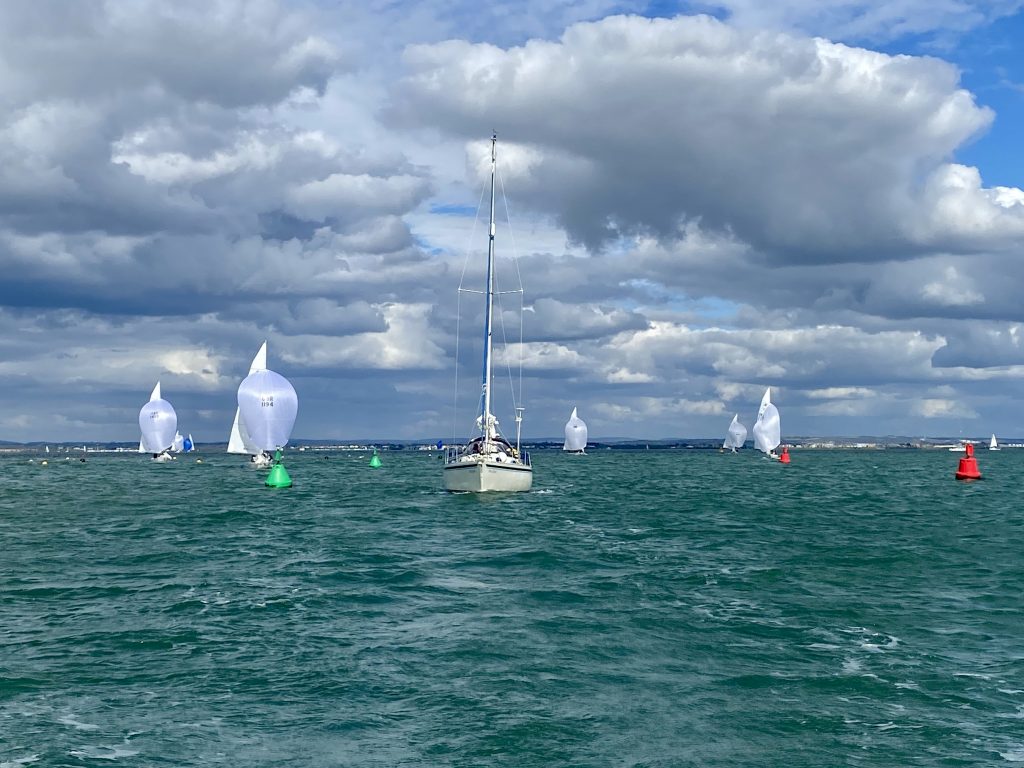
1) The Natural World
Cat 1 The Natural World Winner Paul
2) Seascapes
Cat 2 Seascapes Winner Tanya
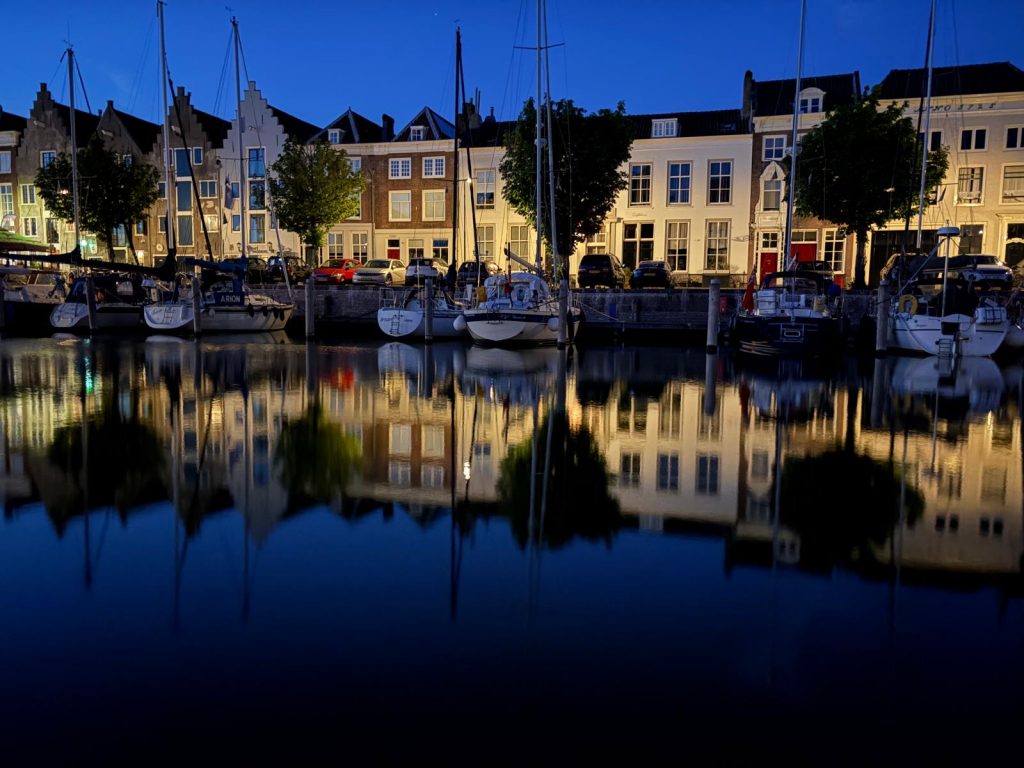
3) Night Shots
Cat 3 Night Shots Winner Martyn
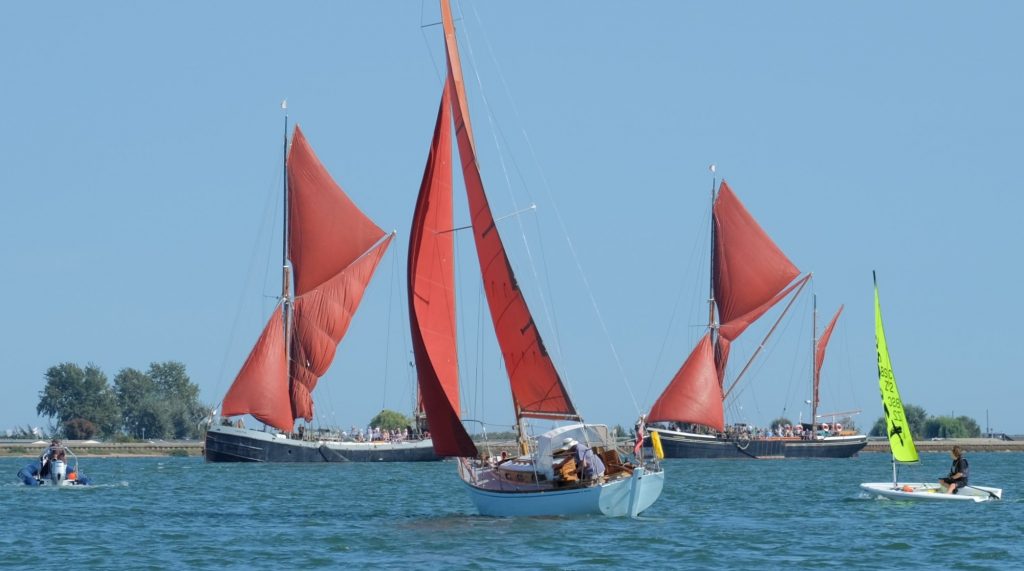
4) Boats
Cat 4 Boats Winner Geff
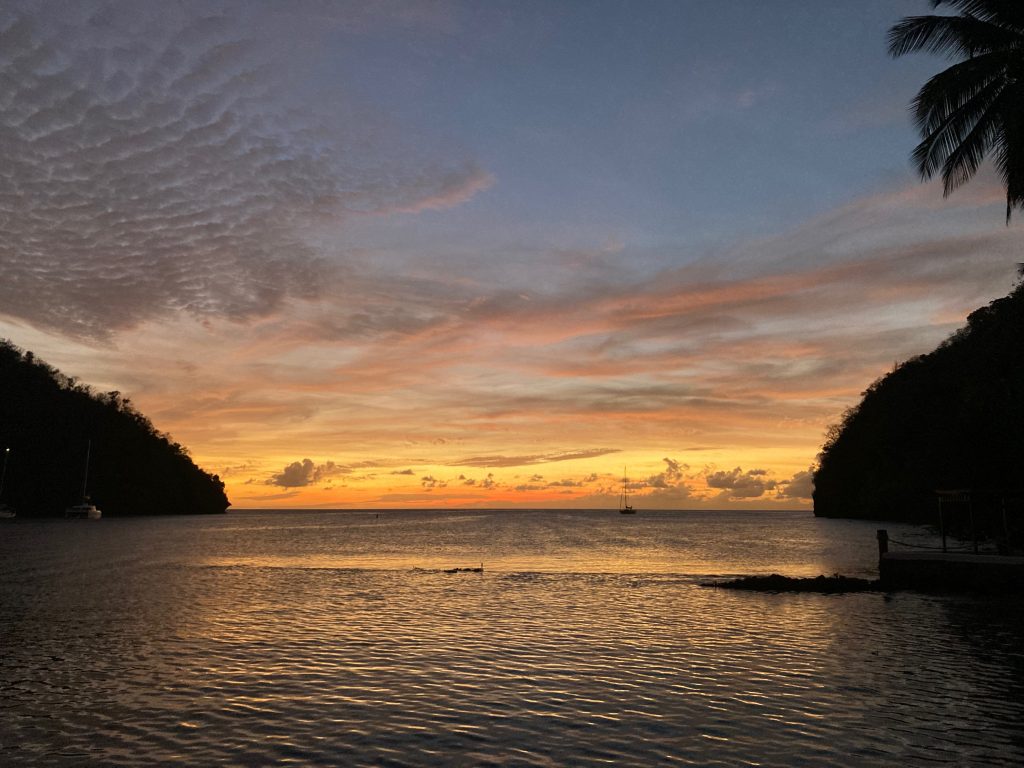
5) Weather and Sunsets
Cat 5 Weather and Sunsets Winner Lesley
6)Sailing Holiday
Cat 6 Sailing Holiday Winner Stewart
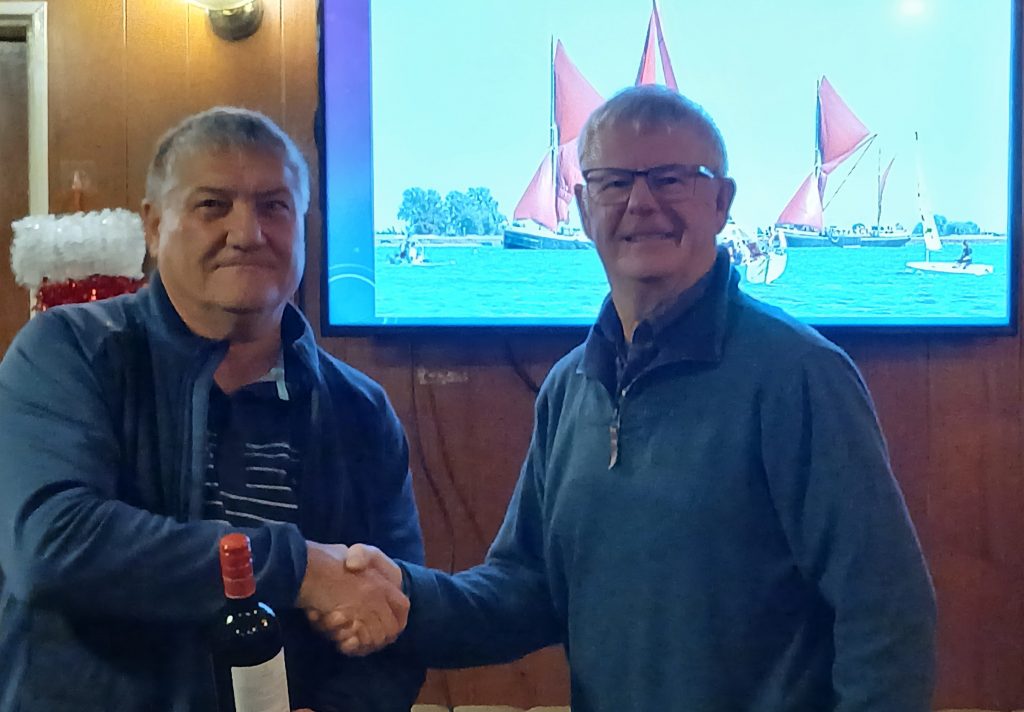
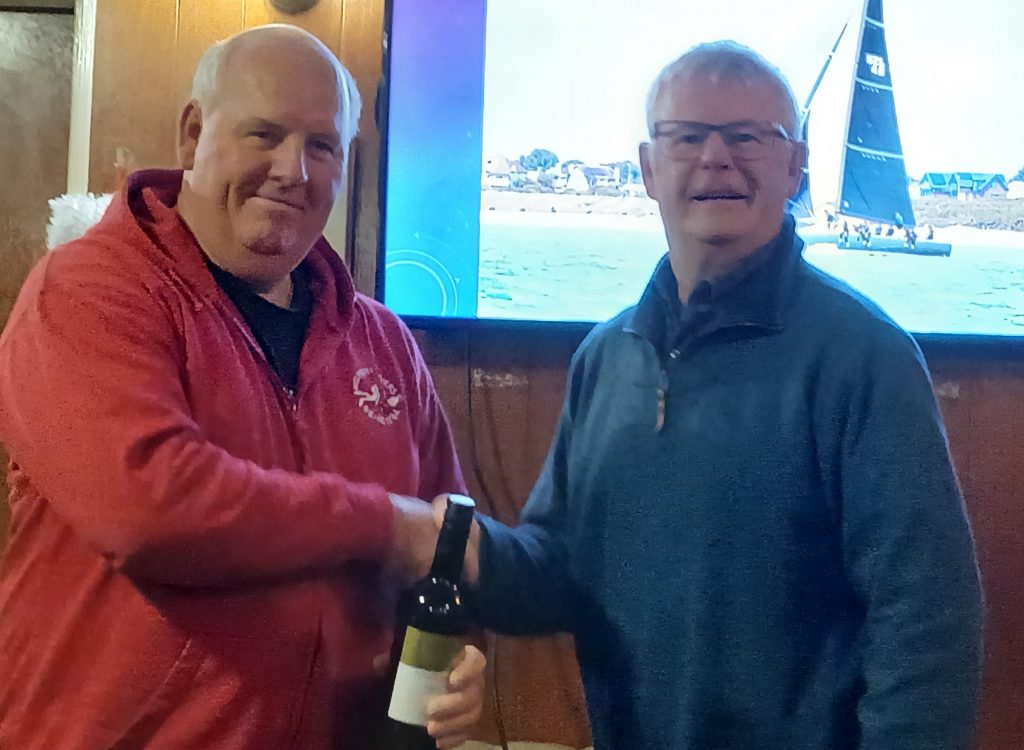
Winners at the RNA receiving their prizes
Cat 3 Winner MartynCat 4 Winner GeffCat 5 Winner Lesley on ZOOMCat 6 Winner Stewart
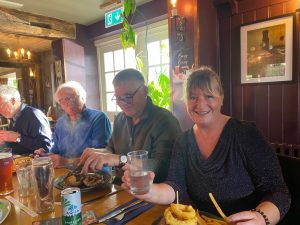
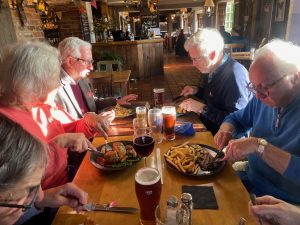
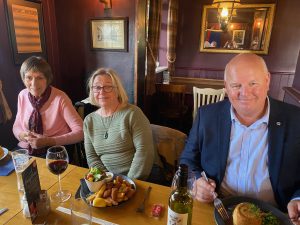
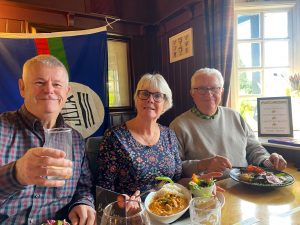
SOCA held it’s 2025 Fitting Out Lunch at the Cowper Arms on Saturday 8th November There was a slightly reduced attendance than we normally have due to conflicting committments and illness. However the members attending managed to enjoy a very convivial gathering.
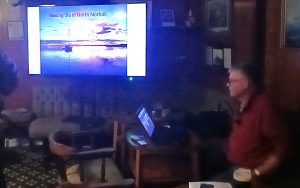
Paul Comley, (Current Rear Commodore) presented, for his first time, at the September meeting.
The talk was about his experiences in sailing the North Norfolk coast based out of Wells next the Sea. Paul spoke with passion, explaining his interest in sailing starting at an early age with his parents to his experiences to date. He shared some very useful tips on what it is like sailing in the shallow waters of the Wash and surrounding areras.
The talk was very informative and well received by both the in person audience and those who viewed via a ZOOM link.
Below in the PDF document is a selection of the viewfoils that he used at the meeting
 The rivers he mentioned are another layer entirely, places like the Vilaine let you trade saltwater for glassy inland cruising, tying up right beside small towns where life moves at a completely different pace.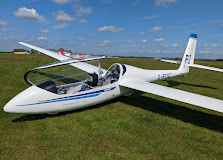
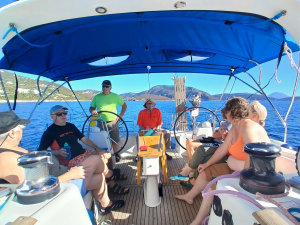 April :- A talk that told the story of a group of SOCA members who enjoyed a Greek Flotilla to the South Ionian Islands in October 2024.
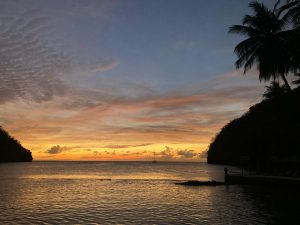 May:- Sailing Around St Lucia and St. Vincent. A talk by Terry Branston. He discussed sailing all around both islands, the customs clearance that was involved in sailing from one island to another and the local culture.
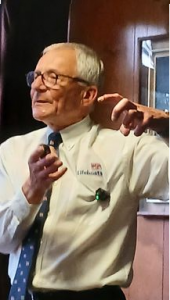 June:- Paul Gillions gave a very interesting and informative talk covering the RNLI‘s history and organisation but he focused primarily on the day-to-day operations of the lifeboat and lifeguard service illustrated with filmed footage of actual rescues and the stories that go with them.
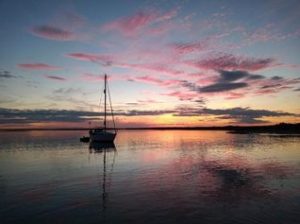 September:-
 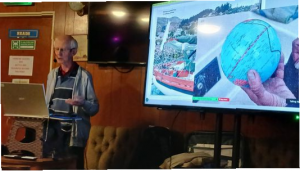 October:- Jeremy Batch presented “Slightly pear-shaped”: the story of Mapping and Surveying“ another of his very interesting talks on the topic of navigation.
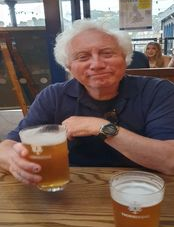 November:- Navigating the Crinan Canal. A talk by Andrew Davidson. Andrew presented details of his trip through the Crinan Canal in Scotland. This was a very well attended meting both at the RNA and with several members joining in via Zoom.
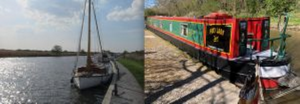 January:- Sailing the Norfolk Broads, Narrow Boating and more. A talk by Dave Arnold. The first talk of the year was given by Dave Arnold, who described how he is staying afloat after the disposal of his East Coast boat Joint Affair.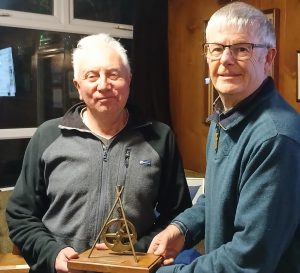
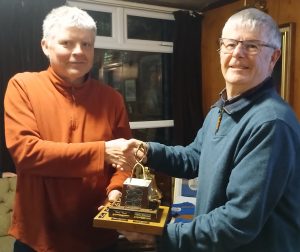 Awarded to Paul Comley for his trip along the North Norfolk/East Coast where he described sailing around around the area of Wells next the Sea and its neighbouring havens.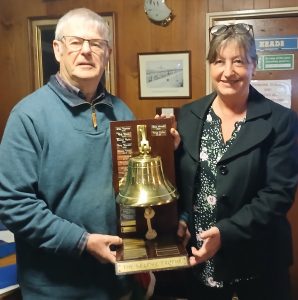
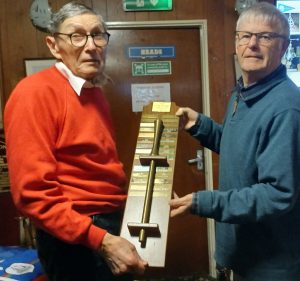 This is an On the Water trophy awarded to a boat rather than a member. This was awarded to Honfleur, (Alex Nicholas), for the hard work put in in getting her back on th. water.
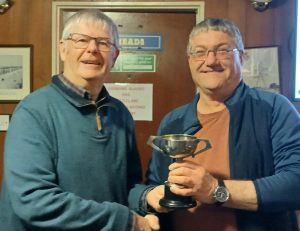 Awarded to Geff Briant for his work on the SOCA website informative and up to date and for organising the fitting out and laying up lunches.